Business Name: BeeHive Homes of Crownridge Assisted Living
Address: 6919 Camp Bullis Rd, San Antonio, TX 78256
Phone: (210) 874-5996
BeeHive Homes of Crownridge Assisted Living
We are a small, 16 bed, assisted living home. We are committed to helping our residents thrive in a caring, happy environment.
6919 Camp Bullis Rd, San Antonio, TX 78256
Business Hours
Monday thru Saturday: 9:00am to 5:00pm
Facebook: https://www.facebook.com/sweethoneybees
Instagram: https://www.instagram.com/sweethoneybees19/
When a loved one moves into assisted living, the household breathes a little much easier. Medications are managed, meals appear on time, and there is help with bathing, dressing, and the little day-to-day tasks that were failing the fractures in your home. For many households, that stability holds until memory modifications speed up. Then the original plan can begin to wobble. Corridor roaming ends up being a nighttime pattern. A resident forgets to press the call pendant and tries to utilize the stove. A familiar corridor all of a sudden looks like a maze, and the front door like an exit to a much better place.
The decision to move from assisted living to memory care is not just a change of address. It is a modification of method. Memory care is developed for individuals living with dementia whose needs are no longer fulfilled by the staffing design, environment, and programs typical of assisted living. Succeeded, the move lowers risk and distress, and can even improve lifestyle. Done late or improperly supported, it can seem like a loss piled on top of loss.
I have supported dozens of families through this transition, and the exact same themes resurface: timing, clarity, and honest conversation. What follows is a field guide built around those themes, with useful information and talk tracks that can reduce friction during a tough pivot.
What changes when care needs shift
The early and middle phases of dementia frequently in shape inside the assisted living framework. Tips, cueing, and occasional hands-on help do the job. As cognitive problems deepens, the nature of support must change. Individuals lose the ability to series jobs, recognize threat, and recover from surprises. They might stroll with purpose but without location. Sound, mess, and complex directions can feel hostile. Standard assisted living routines, even with caring personnel, are not developed for this level of cognitive irregularity and behavioral expression.
Memory care programs are constructed for that reality. The very best ones streamline the environment, embed structured engagement throughout the day, and utilize smaller staff teams with dementia-specific training. Hallways loop rather of lock homeowners into dead ends. Exit doors are camouflaged or protected. Activities are hands-on and recurring by design. Caregivers use short, concrete expressions. The objectives extend beyond security. They consist of rhythm, sensory comfort, and protecting the person's identity in day-to-day life.

Clear signals that it is time to consider memory care
Here are patterns that, taken together, recommend the current assisted living setting is running out of runway.
- Frequent elopement risk, consisting of exit seeking or attempts to leave the building despite redirection. Escalating habits linked to overstimulation or confusion, such as sundown agitation, nighttime wandering, or striking out throughout care. Care refusals or job breakdowns that continue regardless of cueing, for example repeated failure to follow two-step instructions for bathing or toileting. Falls, weight loss, or medication errors driven by cognitive decrease, not just physical frailty. Unit-wide impact, where the individual's needs or behaviors consistently overwhelm the assisted living staffing model, specifically throughout nights and nights.
No single item on that list forces a relocation. The pattern and trajectory matter more than a picture. When 2 or three of these issues are present most days, and interventions inside assisted living are not working after a few weeks, it is time to evaluate memory care options.
Assisted living and memory care, in practice
On paper, both settings use help with activities of daily living and medication management. In practice, three differences normally define memory care.
First, staffing patterns. While policies vary by state, memory care personnel often have extra dementia training and a greater caregiver to resident ratio throughout peak hours. Ratios can vary widely, from roughly 1 to 6 during the day in smaller memory care homes to 1 to 12 or more in large communities. Overnight ratios are generally leaner. Ask specifically about nights and weekends, because that is when wandering and sleep disturbances crest.
Second, environment. An excellent memory care system makes it simple to do the best thing. Bathrooms are simple to find. Typical spaces welcome purposeful motion, not idle sitting. Visual clutter is lessened. Outside courtyards are confined and available without requesting for an escort. Doors to really risky locations are protected. Hormone lighting changes are no treatment, but constant lighting, low glare floorings, and quieter dining-room matter more than the majority of families expect.
Third, programs and technique. Dementia care is not about filling a calendar. It is about foreseeable anchors and opportunities for success. Short, duplicating activities are much better than long lectures. Music, folding, arranging, gardening, home tasks, and one-on-one visits work better than bingo marathons. Care plans include movement, hydration, and micro-rests to avoid afternoon spikes in confusion. The language moves too. Personnel avoid quizzing. They verify emotion, then reroute and engage.
Getting the timing right
The most common regret I hear is, we waited too long. Households hope that another medication fine-tune or a couple of more hours of personal duty assistance will stabilize things. In some cases that works for a season. In other cases, delay increases danger. Two practical timing markers help:
- Safety episodes that require emergency services. If the last 90 days consist of 2 or more 911 require roaming, falls, or habits, the present setting is not enough. Escalating worker stress. When assisted living personnel are regularly calling you to come sit with your loved one for numerous hours so they can handle the remainder of the system, the scale has tipped.
There are likewise external triggers. Healthcare facilities and rehabilitation centers frequently push for a higher level of care after a fall or infection that unmasked cognitive decline. Those discharge windows are stressful. If possible, start assessing memory care homes while your loved one is still at assisted living. Even two afternoons of touring and conversation can conserve a scramble.
The clinical and legal backdrop you ought to know
Memory care admission is not just about observed need. Most communities need documents. Expect the following:
- A physician's report or recent history and physical, typically within 30 to 60 days, that consists of a dementia diagnosis or a minimum of a description of cognitive impairment. A medication list and any current changes, including dosages for psychotropic drugs. Memory care groups will ask about side effects such as drowsiness, falls, or hunger changes. An assessment of decision-making capacity. Capability is task particular and can vary. An individual might still have the ability to select a health care proxy while lacking capability to consent to a complex treatment plan. If your loved one does not have capacity, the neighborhood will require the long lasting power of attorney for health care and financing, or documentation of guardianship or conservatorship where required. Advance directives or a POLST if one exists. Memory care teams take advantage of clarity on hospitalization preferences.
From the assisted living side, comprehend the transfer procedure. Many states require a 30-day notice if the neighborhood starts the relocation since needs exceed licensure. That notice can be shortened if there looms threat. Request for a care conference before and after notification is offered. This is where the plan, functions, and timeline get anchored.
Money and the pricing puzzle
Budgeting for memory care must start with truthful varieties, because costs differ by area and by constructing size.
- Private pay monthly rates in memory care frequently vary from approximately 5,000 to 9,000 dollars, with city locations and newer structures skewing higher. Smaller sized memory care homes in residential neighborhoods in some cases price lower, and they bring a home-like rhythm lots of households prefer. Pricing models differ. Some memory care systems offer all-encompassing rates, others layer level-of-care charges on top of a base lease. A resident who requires two-person transfers, diabetic management, or substantial incontinence care might land in greater tiers. Ask the community to model two situations, the existing price quote and the next likely level if requirements progress. Medicaid coverage for memory care depends on state programs and waiver accessibility. Waitlists prevail. If Medicaid support belongs to your strategy, ask bluntly which rooms or buildings accept it and when conversion from private pay is possible. Get the response in writing.
Families typically attempt to "extend" assisted coping with personal assistants to avoid an earlier relocation. That can work short-term. Run the math. Eight hours a day of private task aid at 30 dollars per hour equates to roughly 7,200 dollars monthly on top of assisted living lease. It is easy to spend memory care cash without getting the benefits of a protected, specialized environment.
Choosing the ideal memory care home
Communities differ more than their pamphlets suggest. The feel of the place, the turn of staff towards locals, and the steadiness of leadership matter as much as facilities. Tour twice if you can, as soon as in the mid-morning calm and as soon as in the late afternoon when sundowning tends to increase. Hang out in the dining-room. Look for how staff respond when somebody is pacing or calling out.
Use these focused concerns to get beyond sales language.
- What is your normal caretaker to resident ratio, especially after 6 p.m., and how often is it met? How do you embellish activities for someone who does not join groups? Can you share an example of a behavior strategy that worked and how you determined success? What is your policy for healthcare facility readmissions and bed holds, and how do you interact during those events? How do you train new staff in dementia care, and how do you revitalize skills after the very first 90 days?
Ask to see a blank care plan and a sample day-to-day schedule. Take a look at the memory boxes outside resident doors. Are they customized with images and tactile items, or generic? Enter a bathroom. Is it spotless, equipped, and safe without appearing like a medical suite? These little signals add up.
Preparing for conversations that matter
Families often stumble in the way they talk about the move, either sugarcoating or dropping the news like a gavel. Individuals dealing with dementia are worthy of honesty dressed in kindness. The goal is to minimize fear and maintain self-respect, not to extract contract. A couple of talk tracks that have actually operated in genuine spaces:
With a parent who is suspicious however still conversational: "Mom, the structure we remain in has a hard time keeping the front doors safe in the evening. You have actually been looking for the garden and getting supported the exit. I discovered a smaller location where the garden is inside the loop, so you can stroll without those alarms. They likewise have someone to help with your late afternoon restlessness. I will opt for you on Tuesday, and we will set up your space like you like it."
With a partner who fears losing you: "We are still a team. I am not leaving you. This new place has individuals awake all night, and they understand how to help when the dreams feel real. I will be there for supper most nights till we find a new rhythm. We will bring your quilt and the household album, and I currently talked with the nurse about the tunes you like after lunch."
With brother or sisters who disagree on timing: "I hear you want to try more personal assistants. Here is what last month looked like: 3 wandering episodes, one ER visit after a fall, and two calls from the center asking me to come sit with Dad due to the fact that they could not reroute him. We can add assistants, however at 30 dollars an hour for afternoons and evenings we would invest around 5,000 dollars a month and still not have secured doors. I think memory care is safer and in fact kinder. If we try it for 60 days, we can evaluate together with the care team."
With assisted living leadership, to keep the tone collaborative: "We want to do this in a way that supports the whole system. Can we look at the next 6 weeks and set a date that deals with your staffing side also? I would value your aid preparing a transition summary for the new group with Dad's best times of day, bath preferences, and what relaxes him when he is nervous."

Honesty without over-explaining helps. Prevent arguing realities from the person's past. Focus on sensations and needs in today. If your loved one asks to go home, validate the dream. "I understand, you miss out on that sensation of home. Let us get a cup of tea and take a look at the garden together," typically lands much better than an argument about addresses.
Packing and moving without overwhelming
A move throughout dementia is not about boxes. It has to do with connection. Bring less things, but make them the right things. A favorite chair, a normal-sized nightstand with a light, the quilt, framed images that are large and clear, the radio, and the bag or wallet with expired cards inside to satisfy the hand memory of holding them.
Label clothes in such a way that personnel can handle. If pull-on trousers work, bring more of those. Shoes with firm soles and closed heels beat slippers for both safety and confidence. Remove journey threats like loose throw carpets and footstools. If a person used to sleep with a small light, duplicate that lighting. If they constantly had water on the left side of the bed, keep it there.
Move earlier in the day when the individual is generally calmer, and prevent Fridays if possible, because weekend staff might not know the new resident yet. Some families discover it useful to have one person accompany their loved one to an activity while others set up the space, then reunite in the new area once it feels familiar. Bring the aroma of home. A dab of a familiar cream, the smell of brewed coffee in the afternoon, or the same brand of laundry detergent on the sheets helps anchor the senses.
Hand the memory care group a one-page life story, not a binder. Include the basics: preferred name, meaningful functions, pastimes, work history in one line, preferred foods, regimens that matter, and understood triggers. Include what really helps when the individual is distressed. Vague notes like "likes music" are less valuable than "start with Ella Fitzgerald at medium volume, then hum along and provide a warm washcloth."
The first 72 hours and the very first month
Expect some turbulence. Even strong memory care homes require a few days to discover the rhythm of a new resident. If your loved one resists care, requests home, or has a rough first night, that does not imply the positioning is wrong. It implies the group is learning. Stay present, however BeeHive Homes of Crownridge Assisted Living assisted living avoid hovering. Short day-to-day visits at differing times let you see the real day. If you can, do one mealtime with the group, one mid-afternoon drop in, and one night peek in the very first week.
Ask for a care plan conference within 14 to 30 days. Come prepared with observations that are concrete. "She paces more in between 3 and 5 p.m. And beverages better with a straw," is more actionable than "afternoons are rough." Deal with the team to set two or 3 quantifiable objectives. Examples include reducing exit-seeking episodes by half, eliminating missed medication doses, or stabilizing weight within a two-pound range.
If medications change, inquire about the target sign, the expected time to effect, and the strategy to reassess. Numerous antipsychotics increase fall threat. Sometimes a basic sleep regular modification, consistent hydration, or discomfort management modification avoids much heavier drugs.
Edge cases and how to deal with them
Younger start dementia. People detected in their fifties or early sixties frequently stroll quick and need more energetic engagement. Tour neighborhoods with an eye for flexibility. Ask how they support locals who can not endure group programs and whether personnel are comfy taking brief strolls outside the unit with supervision.
Bilingual or non-English speakers. Language loss can intensify confusion late in the day. If the community does not have personnel who speak your loved one's mother tongue, ask how they utilize translation tools, visual cueing, and family recordings. Simple signs with photos, not words, helps. Music and prayer in the native language frequently cut through distress better than anything else.
Couples with various requirements. Some campuses permit one partner in assisted living and the other in memory care, with shared meals and supervised visits. Exercise the visiting regimen before the relocation. If the much healthier partner visits disorganized and remains late, both can spiral. Short, prepared visits anchored to positive regimens, like folding laundry together or watering plants, go better.
High movement with high risk. The individual who walks constantly however can not navigate danger ends up being a test of environment and staffing. Search for looped corridors, wayfinding hints, and staff who naturally stroll with homeowners instead of asking them to sit. A secured courtyard is not a luxury in these cases. It is a pressure valve.
Measuring whether the relocation is helping
Safety is simple to count. Lifestyle requires a softer eye. Still, there are concrete markers you can track throughout the first three months:
- Falls and ER visits. Are they decreasing in number and severity? Sleep. Is the overnight pattern more predictable, even if not perfect? Engagement. Do personnel report moments of connection, not simply presence at activities? Nutrition and hydration. Is weight stable or improving? Are there fewer episodes of irregularity or dehydration? Mood. Exist fewer prolonged episodes of anxiety or anger, and much shorter healing times after triggers?
If the response is no on several fronts after 60 to 90 days, hold a care conference and request for a modified plan. Sometimes the concern is a misfit in between resident and scene. Other times it is an understandable mismatch in timing, method, or medications.
When the first placement is not a fit
Even with excellent research, not every memory care home will fit your loved one. If issues feel systemic, start with direct communication, not a midnight move. Ask to consult with the nurse and the administrator. Usage particular examples and patterns, and ask what modifications they can commit to within 2 weeks. Be clear about what success would look like.
Meanwhile, quietly resume your search. Visit two other neighborhoods and one smaller memory care home if available. Ask your current group for the transfer packet requirements, so you are not scrambling later on. If you decide to move once again, go for a window when your loved one is reasonably stable. Two relocations in thirty days tend to increase distress. 2 moves in 90 days, with a duration of stability in between, frequently land better.
What families wish they had known
A few candid reflections from families I have dealt with:
- The secured door is not a punishment. It is a tool that lets people walk without the panic of losing them. A smaller sized memory care home with 10 to 16 residents can feel more personal, but it still fluctuates on the ability of the supervisor and the steadiness of the personnel. Visit when the manager is off to get a feel for the baseline. Bring the dental practitioner and podiatrist into the plan early. Mouth pain and thick toenails drive more "habits" than most care plans capture. The right activity at the wrong time stops working. If late early mornings are greatest, schedule showers then and conserve group activities for early afternoon. Your presence still matters. Even if your loved one forgets the visit 5 minutes after you leave, their nervous system remembers how it felt to be seen and soothed.
The north star
Transitioning from assisted living to memory care is not a surrender to decrease. It is an adjustment of the care setting to satisfy the brain your loved one has today. At its best, memory care minimizes avoidable crises and expands the circle of people who can decipher distress and offer convenience. Families who lean into the timing questions early, ask accurate questions of each memory care home, and use honest, relaxing talk tracks will discover the relocation less like a cliff and more like a handrail on a high part of the path.
Dementia care constantly asks for flexibility and kindness. An excellent memory care community assists you offer both, dependably, day after day.
BeeHive Homes of Crownridge Assisted Living has license number of 307787
BeeHive Homes of Crownridge Assisted Living is located at 6919 Camp Bullis Road, San Antonio, TX 78256
BeeHive Homes of Crownridge Assisted Living has capacity of 16 residents
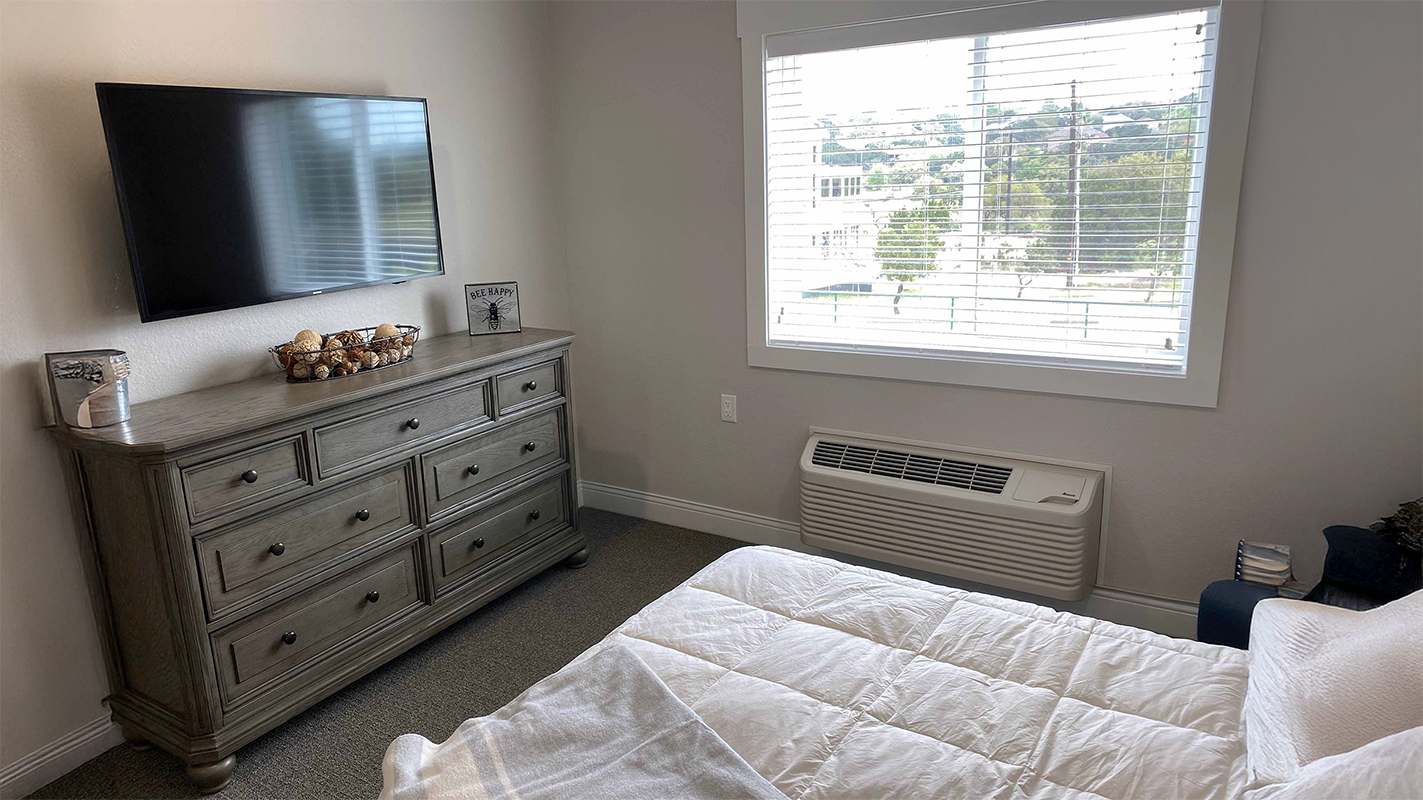
BeeHive Homes of Crownridge Assisted Living offers private rooms
BeeHive Homes of Crownridge Assisted Living includes private bathrooms with ADA-compliant showers
BeeHive Homes of Crownridge Assisted Living provides 24/7 caregiver support
BeeHive Homes of Crownridge Assisted Living provides medication management
BeeHive Homes of Crownridge Assisted Living serves home-cooked meals daily
BeeHive Homes of Crownridge Assisted Living offers housekeeping services
BeeHive Homes of Crownridge Assisted Living offers laundry services
BeeHive Homes of Crownridge Assisted Living provides life-enrichment activities
BeeHive Homes of Crownridge Assisted Living is described as a homelike residential environment
BeeHive Homes of Crownridge Assisted Living supports seniors seeking independence
BeeHive Homes of Crownridge Assisted Living accommodates residents with early memory-loss needs
BeeHive Homes of Crownridge Assisted Living does not use a locked-facility memory-care model
BeeHive Homes of Crownridge Assisted Living partners with Senior Care Associates for veteran benefit assistance
BeeHive Homes of Crownridge Assisted Living provides a calming and consistent environment
BeeHive Homes of Crownridge Assisted Living serves the communities of Crownridge, Leon Springs, Fair Oaks Ranch, Dominion, Boerne, Helotes, Shavano Park, and Stone Oak
BeeHive Homes of Crownridge Assisted Living is described by families as feeling like home
BeeHive Homes of Crownridge Assisted Living offers all-inclusive pricing with no hidden fees
BeeHive Homes of Crownridge Assisted Living has a phone number of (210) 874-5996
BeeHive Homes of Crownridge Assisted Living has an address of 6919 Camp Bullis Rd, San Antonio, TX 78256
BeeHive Homes of Crownridge Assisted Living has a website https://beehivehomes.com/locations/san-antonio/
BeeHive Homes of Crownridge Assisted Living has Google Maps listing https://maps.app.goo.gl/YBAZ5KBQHmGznG5E6
BeeHive Homes of Crownridge Assisted Living has Facebook page https://www.facebook.com/sweethoneybees
BeeHive Homes of Crownridge Assisted Living has Instagram https://www.instagram.com/sweethoneybees19
BeeHive Homes of Crownridge Assisted Living won Top Assisted Living Homes 2025
BeeHive Homes of Crownridge Assisted Living earned Best Customer Service Award 2024
BeeHive Homes of Crownridge Assisted Living placed 1st for Senior Living Communities 2025
People Also Ask about BeeHive Homes of Crownridge Assisted Living
What is BeeHive Homes of Crownridge Assisted Living monthly room rate?
Our monthly rate depends on the level of care your loved one needs. We begin by meeting with each prospective resident and their family to ensure we’re a good fit. If we believe we can meet their needs, our nurse completes a full head-to-toe assessment and develops a personalized care plan. The current monthly rate for room, meals, and basic care is $5,900. For those needing a higher level of care, including memory support, the monthly rate is $6,500. There are no hidden costs or surprise fees. What you see is what you pay.
Can residents stay in BeeHive Homes of Crownridge Assisted Living until the end of their life?
Usually yes. There are exceptions such as when there are safety issues with the resident or they need 24 hour skilled nursing services.
Does BeeHive Homes of Crownridge Assisted Living have a nurse on staff?
Yes. Our nurse is on-site as often as is needed and is available 24/7.
What are BeeHive Homes of Crownridge Assisted Living visiting hours?
Normal visiting hours are from 10am to 7pm. These hours can be adjusted to accommodate the needs of our residents and their immediate families.
Do we have couple’s rooms available?
At BeeHive Homes of Crownridge Assisted Living, all of our rooms are only licensed for single occupancy but we are able to offer adjacent rooms for couples when available. Please call to inquire about availability.
What is the State Long-term Care Ombudsman Program?
A long-term care ombudsman helps residents of a nursing facility and residents of an assisted living facility resolve complaints. Help provided by an ombudsman is confidential and free of charge. To speak with an ombudsman, a person may call the local Area Agency on Aging of Bexar County at 1-210-362-5236 or Statewide at the toll-free number 1-800-252-2412. You can also visit online at https://apps.hhs.texas.gov/news_info/ombudsman.
Are all residents from San Antonio?
BeeHive Homes of Crownridge Assisted Living provides options for aging seniors and peace of mind for their families in the San Antonio area and its neighboring cities and towns. Our senior care home is located in the beautiful Texas Hill Country community of Crownridge in Northwest San Antonio, offering caring, comfortable and convenient assisted living solutions for the area. Residents come from a variety of locales in and around San Antonio, including those interested in Leon Springs Assisted Living, Fair Oaks Ranch Assisted Living, Helotes Assisted Living, Shavano Park Assisted Living, The Dominion Assisted Living, Boerne Assisted Living, and Stone Oaks Assisted Living.
Where is BeeHive Homes of Crownridge Assisted Living located?
BeeHive Homes of Crownridge Assisted Living is conveniently located at 6919 Camp Bullis Rd, San Antonio, TX 78256. You can easily find directions on Google Maps or call at (210) 874-5996 Monday through Sunday 9am to 5pm.
How can I contact BeeHive Homes of Crownridge Assisted Living?
You can contact BeeHive Homes of Crownridge Assisted Living by phone at: (210) 874-5996, visit their website at https://beehivehomes.com/locations/san-antonio, or connect on social media via Facebook or Instagram
Residents may take a nice evening stroll through La Villita Historic Village — a historic arts community in downtown San Antonio featuring art galleries, artisan shops, and restaurants.